Saltwater Static: A Midnight-Movie Map to 1970s Nautical Horror on Free Streamers
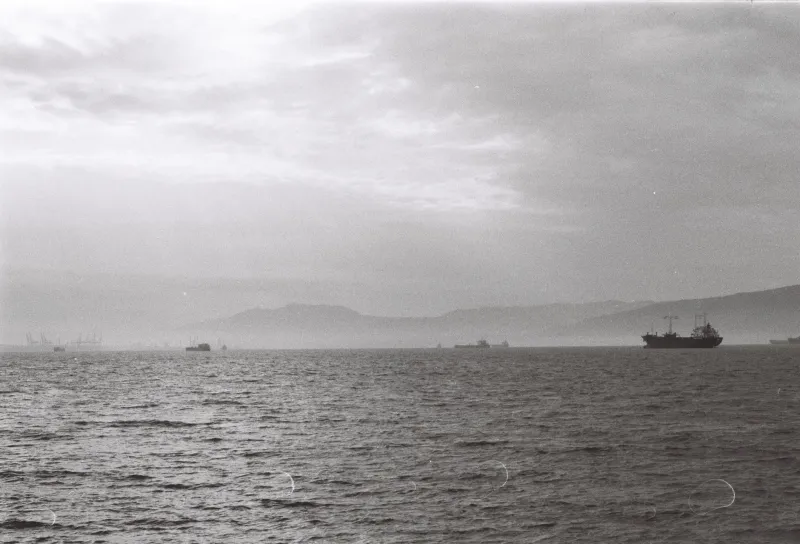
There is a specific kind of bad print that makes a 1970s sea horror movie feel like it was fished out of a flooded basement: the image is soft, the audio hisses like surf, and the colors have gone the shade of old postcards. That is not a bug. On the free streamers and FAST channels where these movies surface, the damage is part of the atmosphere. If you want clean, shiny terror, go elsewhere. If you want a movie that feels like it was recovered from a shipwreck, keep reading.
Why the 1970s got so salty
The decade after Jaws turned the ocean into a marketing department, but the rip-off wave that followed was stranger than the blockbuster that spawned it. Regional producers, tax-shelter money, and drive-in distribution made room for shark movies, sea-monster movies, island-cult movies, and psychological dramas with salt in the air and something wrong under the water. The sea was a practical location: cold, loud, expensive, and impossible to control. You can feel that in the films. The actors look genuinely miserable. The boats rock. The horizon refuses to behave.
1970s nautical horror also arrived at a low, pessimistic moment in American culture. The monsters are not always explainable, the endings are not always clean, and the ocean is less a setting than a mood. These movies do not always scare you with a jump; they wear you down with isolation, bad weather, and the sense that the people on screen are a long way from help. That is why a scratchy print can hit harder than a polished remake. The damage matches the dread.
Six titles worth a midnight hunt
- The Witch Who Came from the Sea (1976): A Florida-set psychological horror film that is less about a sea witch than about trauma, memory, and violence. It is disturbing in ways that have nothing to do with a creature suit, and it is not for every night. Hunt it down when you want the genre to leave a mark.
- Tintorera (1977): A Mexican shark exploitation picture with tourism, tan lines, and a body count. It is slow, sleazy, and occasionally beautiful in the way a sunburned postcard is beautiful. The shark footage is reused with shameless enthusiasm. Perfect if your midnight movie needs a little trash in the tank.
- Shock Waves (1977): Nazi zombies rise from a drowned wreck and stalk a small island. Peter Cushing and John Carradine class up the fog. The underwater sequences are genuinely eerie, and the whole thing moves like a bad dream with a snorkel.
- The Bermuda Depths (1978): A made-for-TV movie about a giant turtle, a mysterious woman, and a Bermuda Triangle of melancholy. It is slow and weird and sometimes looks like a shampoo commercial, but the ending has a strange hold. Availability is patchy, so treat any decent upload as treasure.
- The Crater Lake Monster (1977): A stop-motion lake creature, a small town, and a lot of drive-in padding. The monster is charming, the pacing is not, and the whole thing feels like it was made by people who really wanted to be making a different movie. That is part of the appeal.
- The Sailor Who Fell from Grace with the Sea (1976): Not a monster movie, but a nautical psychodrama with a cruel streak and a seaside setting that turns oppressive. It is the art-house cousin of the drive-in stuff here: slower, stranger, and harder to shake.
If you want a gateway, start with Shock Waves or Piranha (1978), then work toward the weirder edges. Orca (1977) is the glossy one; Tintorera is the grimy one. The fun is in the contrast.
The transfer is part of the spell
A clean restoration can be a wonderful thing, but a lot of these movies only survive in pan-and-scan transfers, VHS rips, or prints that look like they were projected through a fog bank. That can add an accidental layer of unease. A smeared image makes the sea look deeper. A muffled audio track makes the dialogue feel like it is coming from another room. The danger is settling for a transfer so bad that you cannot tell what is happening. You want good-bad, not bad-bad: enough grit to feel like a midnight discovery, enough clarity to follow the boat.
A useful rule: if the upload looks like it was sourced from a defunct DVD label and the audio drops out during the climax, you are probably in the right neighborhood. If the runtime is ten minutes short of the listed version, you may be watching a TV cut. Check before you commit.
How to find them without drowning in thumbnails
Start with the free ad-supported streamers: Tubi, Pluto TV, the Roku Channel, Plex, and the free movie shelves on YouTube. These services rotate cult titles in and out, and their horror sections are often deeper than the algorithm lets on. FAST channels are your friend here. Look for channels with names like drive-in, grindhouse, creature feature, or cult classics, and let them run. You will see things you would never search for.
Use a tracker like JustWatch or Reelgood to check where a specific title is streaming, and use Letterboxd lists to find adjacent titles. Search by year and director, not just by title; a lot of these movies have multiple versions and confusing alternate names. Follow programmers and cult-film accounts that post actual schedules, not just mood boards. And avoid any site that asks for a credit card to watch a free movie. The treasure is on the legal ad-supported decks; you do not need to swim in the murky water.
A practical midnight route
Build a short list, not a hundred-tab spiral. Pick one accessible title, one weird title, and one wild card. Check availability, note the runtime, and give the print five minutes to prove itself. If the dialogue is inaudible and the panning makes you seasick, bail. If the fog rolls in and the soundtrack starts to wobble, stay. Keep a note of which service had which title, because licenses expire and your treasure map will need updating.
The best 1970s nautical horror does not feel like a franchise entry. It feels like a transmission from a late-night channel that should not exist anymore. The print is scratched, the sea is black, and the boat is definitely not coming back. That is the hunt. Set a midnight watchlist and go.