Hidden Frequencies: How Rogue Streamers Are Rebuilding Pirate Radio for the Watch-Party Age
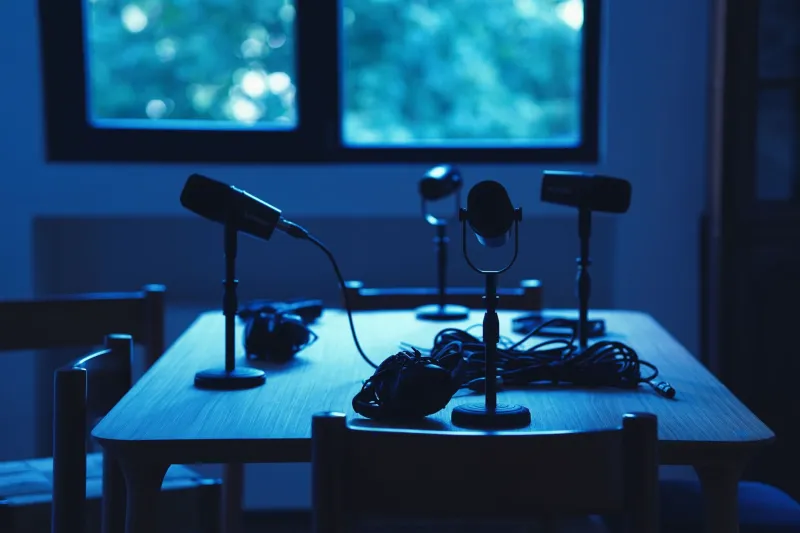
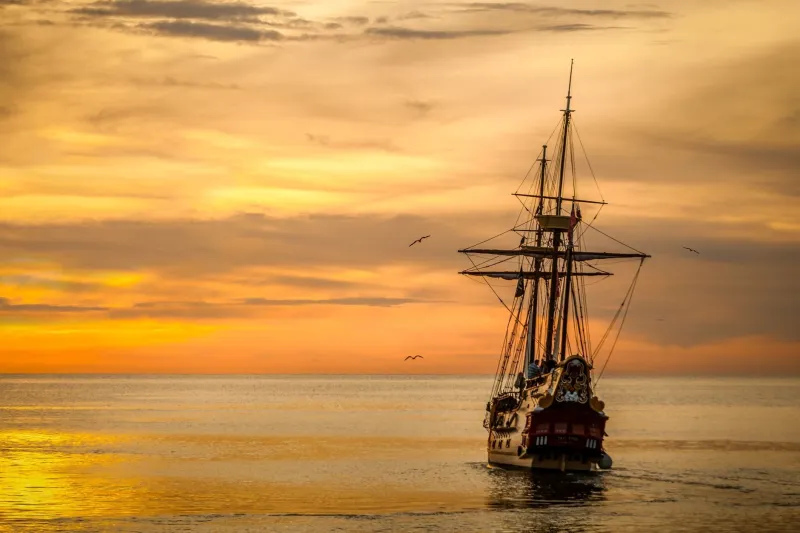
On Easter Sunday in 1964, a ship anchored off the coast of England started playing pop records that the national broadcaster would not touch. Radio Caroline was unlicensed, unbothered, and wildly popular. The offshore pirates of that era did not invent rebellion so much as they invented a workaround: if the gatekeepers will not play it, put it on a boat and broadcast anyway.
Sixty-odd years later, the boat is a Discord server. The frequencies are Twitch categories, YouTube premieres, and a self-hosted stream running off somebody's spare machine in a Denver apartment. The music has been replaced by crumbling swashbuckler movies and a live chat full of strangers who all know the same bad jokes.
This is pirate radio 2.0, and it is the best thing happening in streaming right now.
A Ninety-Second Refresher on the Original Pirates
The originals broadcast from ships and abandoned sea forts to get around licensing monopolies. Governments eventually legislated them out of the water, but the ethos stuck around: somebody had to press play on the thing everyone else had decided was not worth airing. That instinct never died. It just moved to wherever the distribution was cheapest — zines, public access cable, burned DVDs, and now a browser tab.
What the New Pirates Actually Do
Here is the important difference. These streamers are not stealing signals. They are curating, which is a much rarer skill. A good rogue channel does three things: it picks the title nobody else will program, it schedules it at a specific hour, and it turns the viewing into a room.
That combination is what the big platforms keep trying and failing to engineer. You cannot algorithm your way into appointment viewing. You have to have a person with opinions standing in front of the curtain.
Three Flavors of Rogue Broadcaster
The Late-Night Vault
Usually a Twitch channel with a few hundred regulars and a host in a tiny corner window, running public-domain swashbucklers and forgotten adventure serials from the 1920s through the 1950s. Silent-era pirate films, Douglas Fairbanks rip-offs, the strange stuff that fell out of copyright decades ago and now lives on the Internet Archive. The chat is the show. Bring a drink and do not expect a schedule you can rely on in June.
The Discord Cinema Club
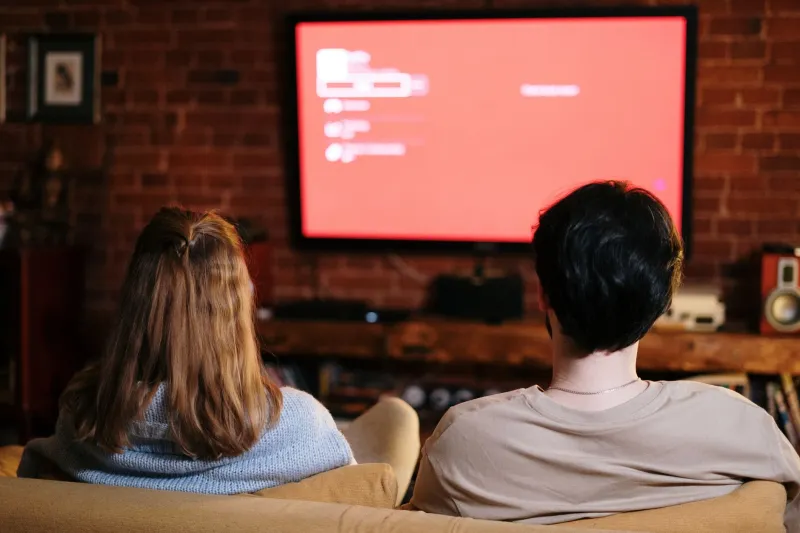
A server of a few hundred members with a weekly poll, a Letterboxd list nobody asked for, and a voice channel that functions as the projector. Tools like Teleparty, Kosmi, and Hyperbeam handle the sync; the server handles the community. These rooms tend to form around a specific obsession — maritime horror, nautical animation, whatever — and they are usually welcoming if you lurk before posting.
The Micro-Archive
Small YouTube channels and PeerTube instances uploading licensed or public-domain material with real research in the descriptions. These are the closest thing to a genuine archive project, run by people who care about provenance and can tell you which print of a 1934 sea picture is the good one. Slow, nerdy, wonderful.
How to Tune In: A Field Guide
The search terms matter more than the platform. Typing pirate movie into a search bar gets you a wall of official trailers. Try pirate movie night, midnight matinee, watch party, sea shanty Saturday, or the name of the specific weird film you love plus the word stream. Schedules posted in Discord event channels beat notification bells every time.
Build a free library first. Tubi, Pluto TV, Plex's free tier, Shout! Factory TV, and the Internet Archive cost nothing and cover a shocking amount of nautical cinema. Your library card unlocks Kanopy and Hoopla, which is where the respectable transfers live. Add a watch-party layer on top and you have essentially built a broadcasting station out of things you already pay for.
A few practical notes. Mute your mic unless invited. Do not drop links to sketchy mirror sites in a public chat — most of these communities stay alive specifically because they keep that stuff out. And when a host posts a schedule, actually show up. The whole fragile magic depends on somebody being in the room at 11 p.m. on a Friday.
Why the Algorithm Cannot Do This
The recommendation engine is built for retention, which means it is built to keep you in a loop of things adjacent to what you already watched. Rogue broadcasters are built for the opposite: surprise. A hand-picked double feature at a fixed hour is an act of taste, and taste is the one thing that still cannot be automated at scale. It is also the reason a 400-person Discord feels more alive than a front page with ten thousand options.
Pirate radio was never really about the ships. It was about the idea that somebody, somewhere, was playing something you were not supposed to hear. That frequency is still out there. You just have to know what to search for.